A Box of Expired Matches
At five-forty on Halloween morning, right after Wellington’s first snowfall, a thick fog rolled in. The last row of houses by the sea stood solitary and desolate as gusts swept from behind the train station, rattling the front door in its frame.
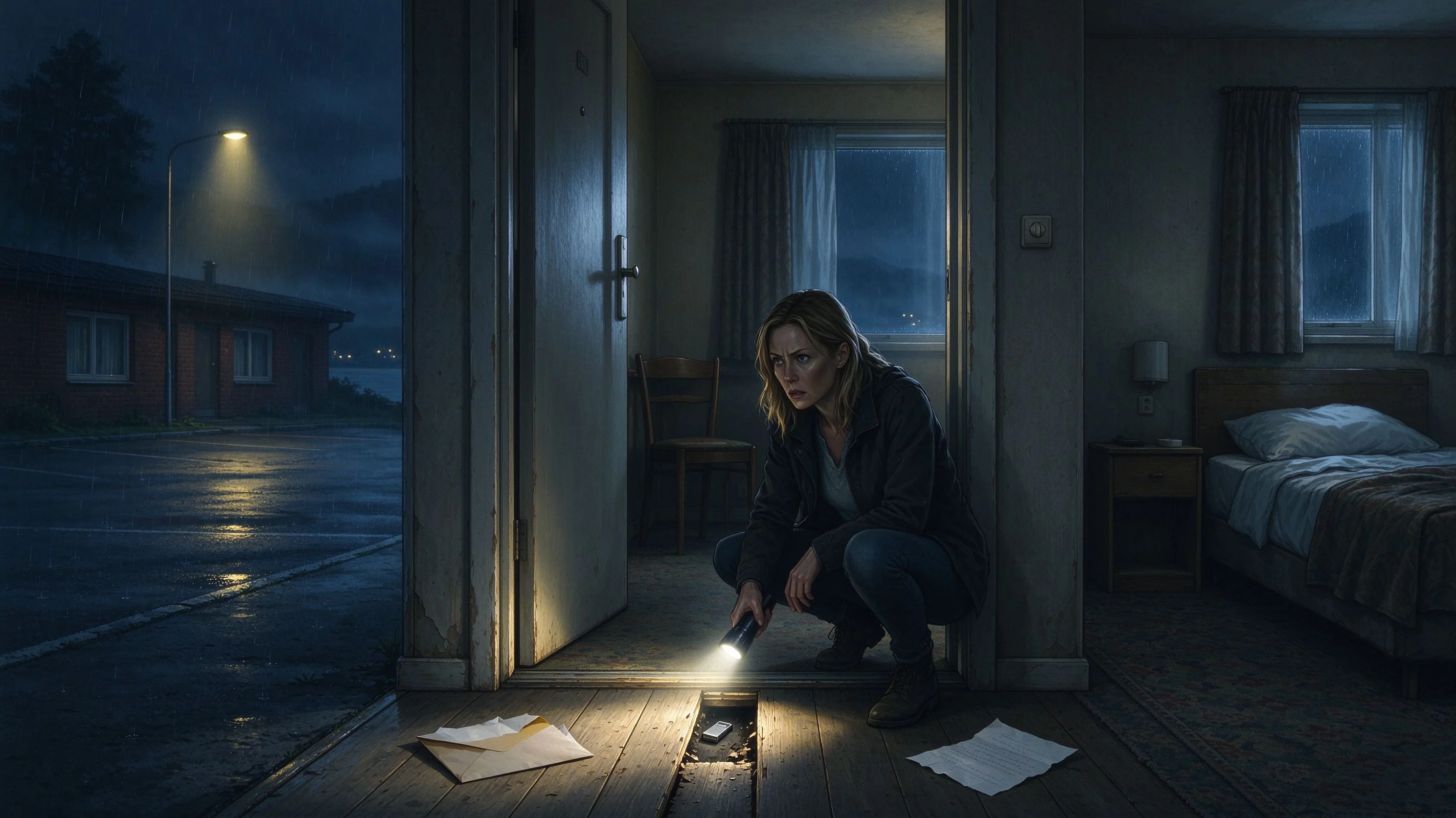
Ruth Callahan stood under the eaves, stepping in the fresh snow, and pulled her wool coat tight around her shoulders. She slid an expired box of matches from her pocket and struck twice before the slender cigarette caught flame. Through the swirling mist, Samuel Baker approached from the platform, drowned in an ill-fitting, worn trench coat. They hadn't spoken alone in three years. Samuel looked frailer than before, his face pale, his fingers trembling slightly from the cold. Stopping before the wooden counter outside, he resting his elbow on its worn-polished edge out of sheer habit, his expression guardedly rigid.
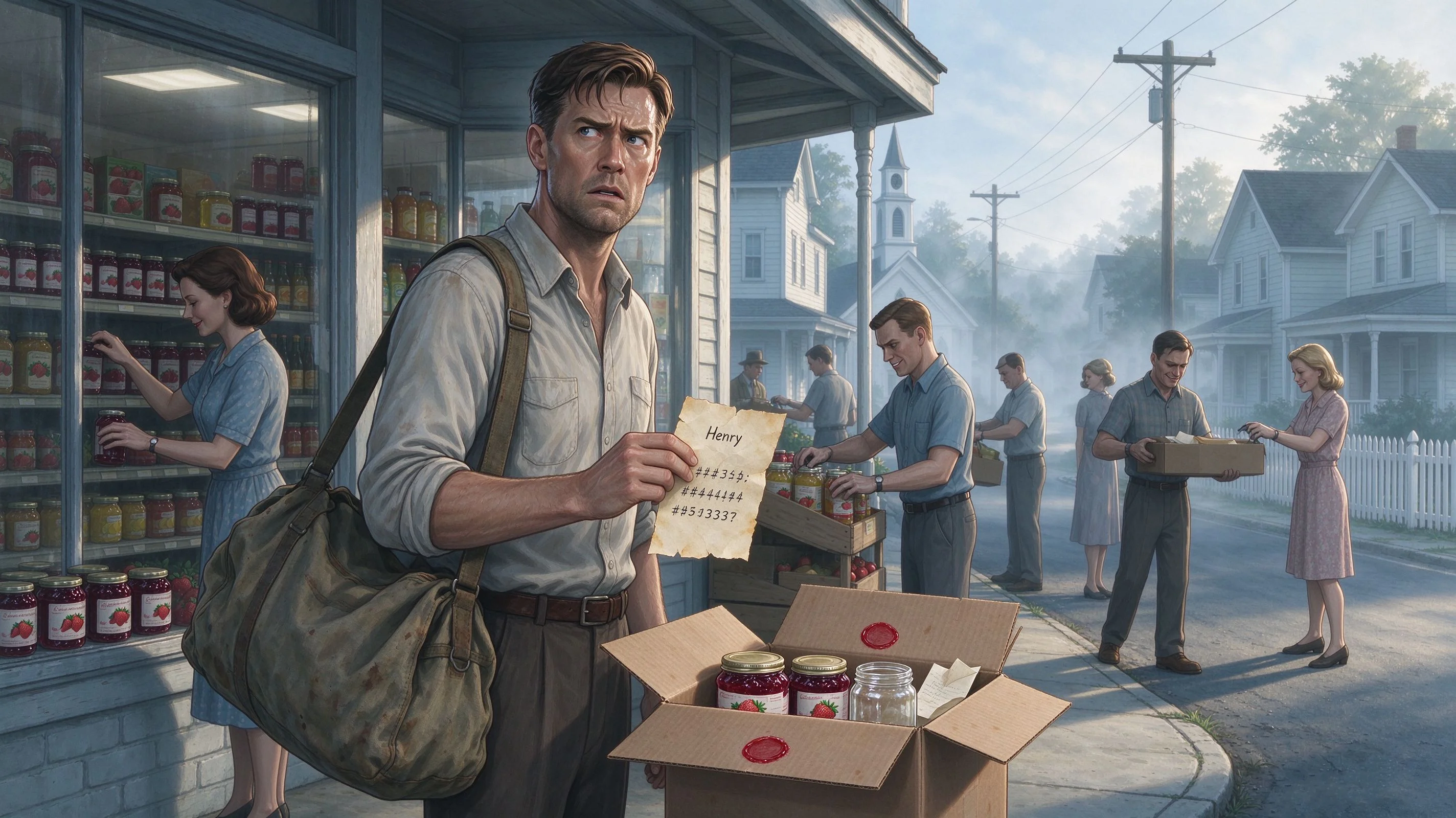
“Claire Dawson said you kept this.” Samuel’s voice was dry. He reached into his pocket and handed over a train ticket folded four times—something he had uncovered while sorting through a dead person's belongings. Tucked inside was a single, stray earring.
Ruth didn't take the ticket right away. She offered him a fleeting glance, her fingertips lightly brushing his wrist. A dangerous current flared between them in the mist. “Come inside,” she said. “You need an explanation, and I owe you one.”
Samuel hesitated, but the biting wind shoved him over the threshold of the abandoned house. The heavy timber door slammed shut behind them, and Ruth clicked a heavy iron padlock into place.
She turned, drawing a delicate scalpels from her coat. The weariness in her eyes evaporated, replaced in a heartbeat by a cold, predatory hunger. “Samuel, have you ever felt the sheer terror of a cortisol spike? Tonight, you become my perfect seventh piece.”
Samuel took a step back, knocking hard against the wooden counter. His eyes flushed red, his frame trembling violently.
Within half a second, the shaking stopped abruptly. His fingertips dug into the polished groove on the counter’s edge—worn smooth by countlessly rested elbows—knuckles turning white, yet his breathing smoothed out, precise as an adjuster auditing a claims checklist. He raised his head. The terror in his eyes was gone, replaced by the pale glint of the scalpel blade caught in the fog light. A twisted smirk curled his lips.
“Seventh?” His voice was rasping, laced with a morbid delight. “Ruth, you're miscounting.”
Ruth’s wrist stiffened, the tip of the scalpel hovering barely three centimeters above his Adam’s apple. “What are you talking about?”
Instead of retreating, Samuel leaned straight into the blade, his breath puffing against her skin. “There are six more boxes down in the basement. Every box comes with a surveillance photo—shot right from your bedroom window looking out. The inventory Claire Dawson gave me skipped the one photo that shouldn't exist.”
He reached down and viciously twisted a rusted brass knob beneath the counter edge.
A heavy rumble echoed beneath them.
The floorboards beneath their feet sank downward, revealing a flight of steel stairs descending into pitch darkness. Overhead, shadowless surgical lights flickered to life one after another, illuminating a row of glass display cases. Inside, evidence was laid out with precise symmetry: six single earrings, six folded train tickets, six boxes of expired matches. Beside each item lay a timestamped photograph, shot from a high angle. Stamped on the back of every picture was the same red seal: Wellington Mental Health Center, Patient File No.
Ruth’s pupils contracted to pinpricks. The tip of her scalpel quivered. “What is this…”
“Your collection room.” Samuel traced a hand over the cold steel handrail, his eyes burning with an unsettling fervor. “Welcome home, Prey Number Seven.”
His voice cut through the sterile glare of the lights with terrifying clarity. “Except I’m not your prey, Ruth Callahan. I’m the executioner who led you down into this basement.”
Ruth snapped her wrist forward. The scalpel sliced through the air, lunging straight for his throat. Samuel pivoted aside, his left hand already slipping from his trench coat pocket with a pre-filled syringe. The needle caught the light with a faint blue glint.
“You think that knife changes anything?” he hissed, stepping directly into her strike. With practiced precision, he drove the needle deep into the supraclavicular fossa at the side of her neck.
As the fluid was plunged home, Ruth’s eyes dilated wildly. The scalpel clattered onto the steel steps. Her fingertips twitched, suddenly drained of all strength.
A thin haze hung in the subterranean damp, heavy with the stench of disinfectant and stale, spent sulfur. Samuel ran his fingers along the polished lip of the counter—a wooden ridge worn smooth by the friction of countless elbows. His tone remained as dry and detached as if he were auditing an insurance claim.
“Six months ago, I rented the cellar under that row of houses behind the railway station. I turned myself into your favorite kind of target: a lonely woman—frail, insomniac, carrying expired matches and single earrings. Every time you stalked me, every time you struck, I was recording. I was collecting.”
He gestured toward the neat displays inside the glass cases: the six folded train tickets, six boxes of burnt-out matches, six stray earrings, and the timestamped photos backed by the red Wellington Mental Health Center file seals. “This is your gallery, Ruth. But as of today, I run it.”
Ruth Callahan collapsed onto the freezing steel staircase, her limbs turned to lead. Only raspy, broken breaths hitched in her throat. Samuel Baker stowed the empty syringe, pulled the four-times-folded train ticket from his pocket, and pressed it gently into her slack, unresisting palm. Then he turned, heavy boots echoing up the stairs as he sealed the thick iron lock behind him.
Stretched out on the concrete floor, the anesthetic shuddering through her nerve endings, Ruth let out a ragged, high-pitched laugh. The sound scraped against the glass cases beneath the glaring lights, making the solitary earrings inside vibrate softly on their mounts.
Samuel stood at the top of the landing, looking down. His left hand tightened around the empty syringe tucked inside his trench coat. “This isn’t about winning or losing, Ruth. This is a claims settlement.”
He kicked the scalpel aside and drew a heavy plastic zip-tie from behind his belt.
“Look… look at those photos,” Ruth grinned, blood seeping between her teeth. There was no fear in her eyes—only a cruel, mocking gleam. “Look at the angle. Look at the light source.”
Samuel’s movement stalled. He turned and pulled down the photo taped to the top of the cabinet—the shot of his own back in the alley behind Wellington Railway Station. The angle was extremely high, the extreme edge of the frame clipped by the dark outline of a window sash.
His fingertips trembled. He flipped the photo over, staring at the stamp in the lower right corner under the harsh overhead light.
It was not a intake stamp from the Wellington Mental Health Center.
Blue ink. Double concentric circles enclosing crossed gears: Wellington Bureau of Maritime and Commercial Insurance Claims Investigation — Senior Investigator. Inside the inner ring was the code he had used for fourteen years: S-417-BAKER.
The glossy paper burned cold against his thumb. Samuel’s breath caught; his knuckles went white, pinching until the photo tore.
“S-417-BAKER,” Ruth said from the turn in the stairs, her tone flat and precise, like an edited waveform. “Your badge number, Samuel. Stamped by your own hand before every single ‘cleanup.’”
He flipped over the second photo, then the third—the overhead angle of the harbor shipping containers, the side profile on the park bench, the close-up of the counter’s worn edge. On the back of every one, the same double blue circle. The same code: S-417-BAKER.
“Claire went into the records room and pulled your file,” Ruth said, pushing herself halfway up, her single earring swinging in a cold arc. “Three years ago, you slammed into the steering wheel. Frontal lobe impact. Dissociative identity disorder paired with anterograde amnesia. Your attending physician wrote down ‘memory replacement.’ You circled it three times in red ink and wrote a note: Facilitates claim settlement.”
“I am an investigator,” he whispered, stepping back until his spine slammed into the freezer. “Twenty-seven closed cases…”
“Six bodies had your skin tissue under their fingernails.” Ruth spat a mouthful of bloody phlegm, her smile twisting into something like pity. “The seventh proxy was meant to be Claire, on that long-distance run next week. Three days ago, you folded the train ticket into quarters and shoved it into the glove box. Taped the matchbox under the wheel. Clipped the earring to the seatbelt. A perfect ‘Victim Kit.’”
“Claire is just a witness.”
“She’s your sole legal guardian.” Ruth pointed a trembling finger toward the dark recess behind the counter, where an expired box of matches lay. “Open it. Strike one. Smells familiar, doesn’t it? That’s your little ritual before every hit—burning away the ‘Investigator’ persona. Burning the investigator, leaving behind the ghost.”
He froze, his fingers hovering half an inch above the matchbox cover, drained of color.
“I built the chain of evidence…” he muttered to the empty air. “I’m the one who cleans up the mess.”
“Then explain this.” Ruth narrowed her eyes and lifted her left wrist. Her sleeve slipped down, revealing a row of neat, faded scars on the inside of her arm—matching the width of the scalpel blade to the millimeter. “Your souvenir marks from three years ago, when you ‘settled the claim’ on your first proxy?”
Samuel felt the soft indentation of the matchbox under his thumb. Red phosphorus rubbed off onto his skin like rust. He looked down at his hand; deep in the creases of his palm was dried blood, dark brown, baked into the skin like dirt in old brick mortar. It wasn't from tonight. It wasn't from yesterday, either.
Ruth lay motionless at the bend of the stairs, her single earring pressed against the icy floorboards. “Count the layers, Samuel. A life for every one.”
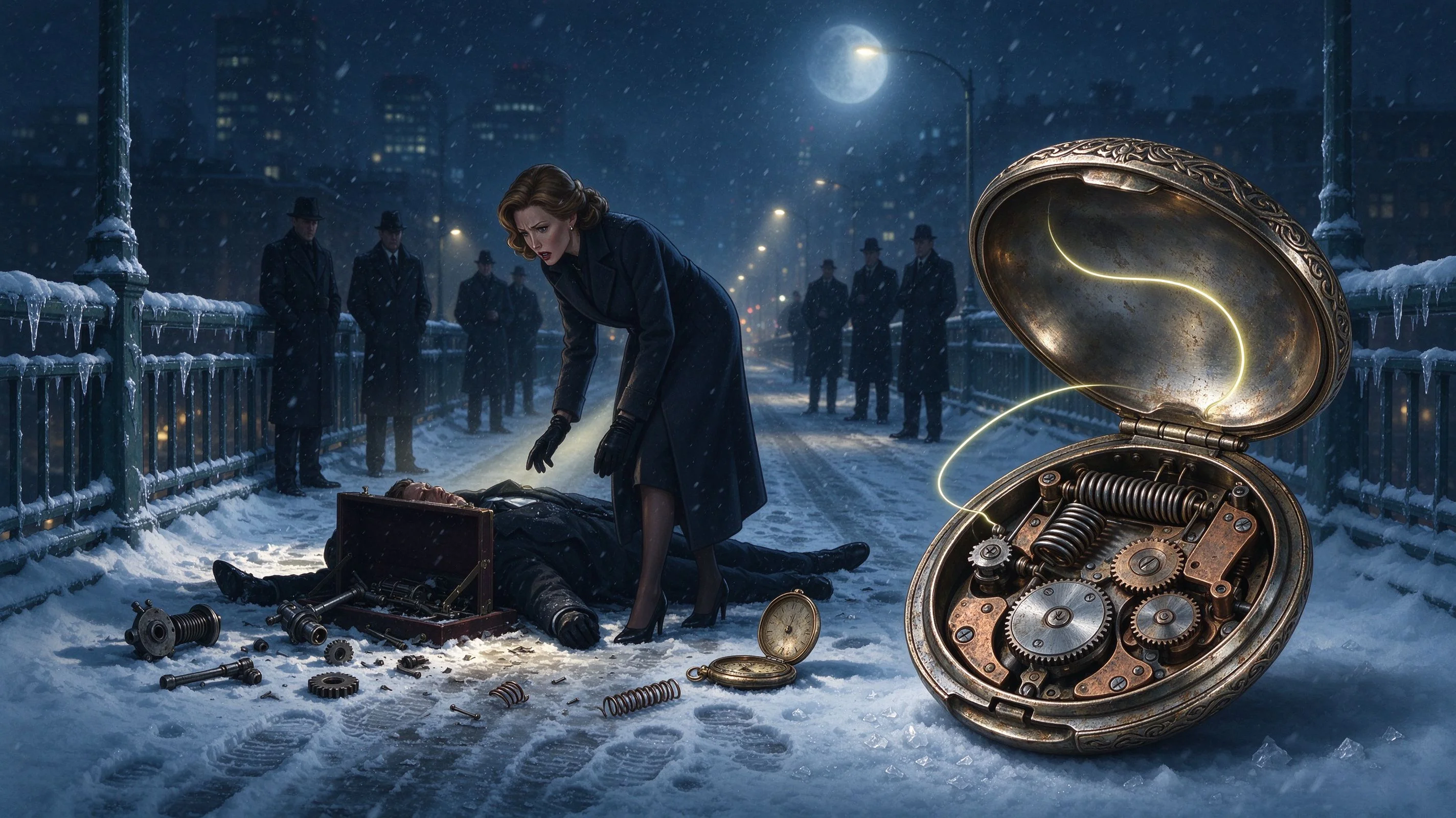
He picked up the scalpel. Beneath the shadowless lamp, the edge of the blade cast no reflection. Thunder rolled across the sea, sending a faint vibration through the glass display case. Inside, the train tickets rested in precise alignment, their creases matched edge to edge; pinned beneath the fourth fold was a single strand of graying hair.
“S-417-BAKER,” he murmured to the empty counter, his voice hollow, belonging to someone else. “Claim closed.”
A match struck against the box, sparking a blue flame. He watched the light flare and lick at his fingertips, feeling no heat.
In the shifting gloom, the stain on his palm seemed to unfurl, spreading across his skin like a signature written long ago.
Transparency Disclosure: Content here is for informational and entertainment guidance. This publication maintains editorial independence, though some links may generate affiliate revenue. For copyright inquiries or content removal, please reach out to our desk.